 A Lean Journey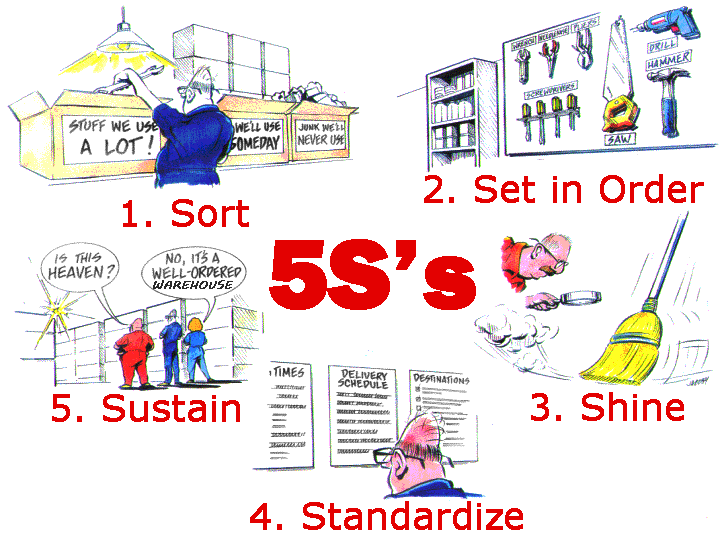
The 5S methodology in manufacturing is a structured approach to creating a clean, organized, and high-performance work environment. As a core element of the 5S lean management system, it helps teams instantly distinguish between normal and abnormal conditions, reduce waste, and build a strong foundation for continuous improvement.
When applied correctly, 5S supports operational stability, cost reduction, improved safety, and higher productivity. Below is a practical guide on how to implement 5S in the workplace using structured phases and measurable actions.
What Is the 5S Lean Management System?
The 5S lean management system is built around five Japanese principles that improve workplace organization and efficiency.
Table 1: The 5S Implementation Steps
| 5S Step | Japanese Term | Purpose | Manufacturing Impact |
| Sort | Seiri | Remove unnecessary items | Frees space, reduces clutter |
| Set in Order | Seiton | Arrange items logically | Improves workflow and access |
| Shine | Seiso | Clean and inspect | Prevents defects and breakdowns |
| Standardize | Seiketsu | Create consistent procedures | Ensures repeatability |
| Sustain | Shitsuke | Maintain discipline | Supports long-term stability |
These structured 5S implementation steps ensure that improvements are not temporary but embedded into daily operations.
How to Implement 5S in the Workplace
Successful execution requires planning, leadership, and employee engagement. Below are proven strategies for rolling out 5S effectively.
Table 2: Practical Actions to Launch 5S
| Implementation Area | Key Action | Why It Matters |
| Demonstrate Success | Apply 5S in the management offices first | Builds credibility and trust |
| Employee Training | Educate teams on lean principles and the 7 wastes | Creates alignment and understanding |
| Start Small | Pilot in one problem area | Delivers visible quick wins |
| Leadership Commitment | Managers model 5S behavior | Reinforces accountability |
| Integration with Lean | Connect 5S to flow and waste reduction | Avoids isolated improvement |
| Communication | Share before-and-after results | Encourages participation |
| Audits & Reviews | Conduct regular 5S audits | Ensures sustainability |
Benefits of 5S in Manufacturing
Organizations implementing 5S consistently report measurable operational gains.
Table 3: Key Benefits of 5S in Manufacturing
| Benefit Category | Operational Outcome | Business Impact |
| Productivity | Reduced search time | Higher output |
| Quality | Early detection of abnormalities | Fewer defects |
| Safety | Cleaner work areas | Reduced incidents |
| Cost Reduction | Eliminated unnecessary inventory | Lower operational costs |
| Employee Engagement | Ownership of workspace | Stronger culture |
The benefits of 5S in manufacturing extend beyond cleanliness — they drive performance, stability, and competitive advantage.
Avoiding Common 5S Mistakes
While powerful, 5S must not operate in isolation. A perfectly organized process that still contains waste is still inefficient. The 5S lean management system should support broader lean initiatives such as:
- Flow improvement
- Root cause problem solving
- Waste elimination
- Continuous improvement programs
5S creates stability — and stability enables operational flow.
Sustaining Long-Term Success
The most critical stage of the 5S implementation steps is Sustain. Without discipline and review, improvements fade.
Best practices include:
- Standardized audit checklists
- Visual scoreboards
- Photo documentation of improvements
- Team presentations to leadership
- Continuous review meetings
Embedding 5S into daily management systems ensures it becomes culture — not a one-time cleanup effort.
Conclusion
The 5S methodology in manufacturing is a powerful starting point for operational excellence. By following structured 5S implementation steps, aligning leadership, and focusing on measurable results, organizations can successfully learn how to implement 5S in the workplace and unlock the long-term benefits of 5S in manufacturing.
When integrated into a broader lean strategy, the 5S lean management system becomes a foundational driver of productivity, quality, and cost efficiency.






Leave a Comment
Your email address will not be published. Required fields are marked with *