 A Lean Journey
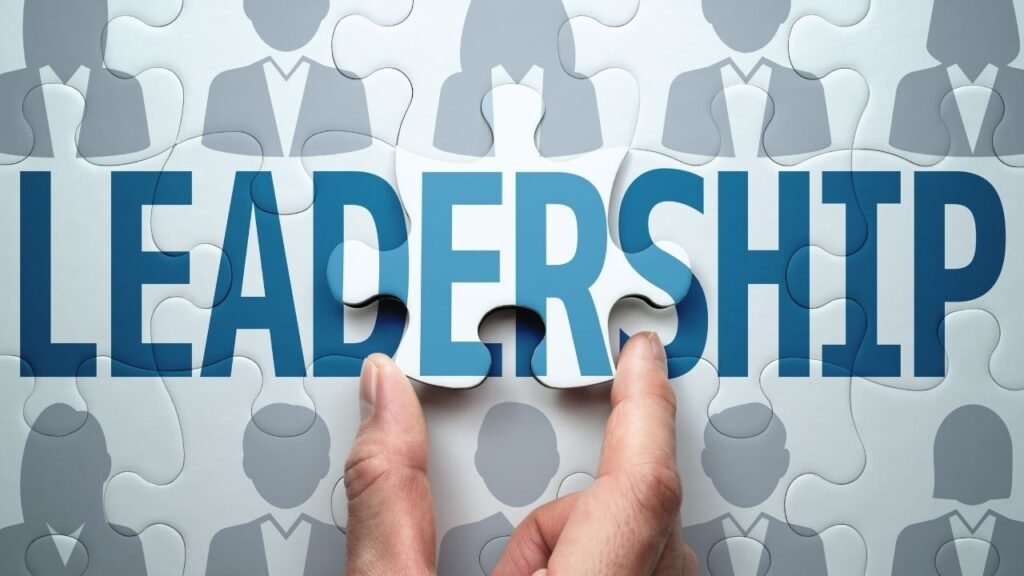
In today’s fast-changing business environment, Lean leaders must evolve beyond managing day-to-day operations. Operational management focuses on executing processes efficiently — meeting targets, maintaining quality, and ensuring stability. While these are critical to success, true organizational transformation requires something more — strategic leadership. This shift demands a broader view, aligning daily improvement efforts with long-term organizational goals and vision.
Strategic leaders don’t just manage systems; they shape direction. They translate strategy into actionable plans that engage people at every level, ensuring alignment between what teams do today and where the organization needs to be tomorrow. Instead of reacting to problems, strategic leaders anticipate challenges and guide their teams toward proactive improvement. They ask questions like: How does this initiative support our mission? and What capabilities will we need in the future?
To make the transition, Lean practitioners must learn to balance execution and innovation. This means developing new skills: systems thinking, data-driven decision-making, and coaching for empowerment rather than control. Strategic leaders focus on building a culture of continuous improvement — empowering teams to solve problems, encouraging cross-functional collaboration, and ensuring learning drives performance. They step back from firefighting and instead create the conditions where others can thrive.
5 Actions to Move from an Operational Manager to a Strategic Leader
- Think Beyond the Daily Metrics – Don’t get trapped by short-term performance indicators. Spend time understanding how today’s improvements contribute to long-term success. Align operational goals with organizational strategy.
- Develop Systems Thinking – Learn to see the organization as a connected system. Understand how changes in one process affect others and how decisions create ripple effects across the value stream.
- Empower and Coach Others – Shift from directing to developing. Equip your team to make decisions, solve problems, and take ownership. A strategic leader grows capability at every level.
- Prioritize Continuous Learning – Invest in your own growth and that of your team. Read, benchmark, and reflect on lessons from both successes and failures. Learning keeps strategy alive and adaptive.
- Communicate the “Why” Clearly – Ensure everyone understands the purpose behind your direction. When teams see how their work connects to the bigger picture, they engage more fully and deliver greater value.
Becoming a strategic leader doesn’t happen overnight. It’s a journey of perspective and practice — moving from managing processes to leading people toward purpose. As you elevate your thinking, remember that Lean leadership is about seeing the whole system and inspiring others to contribute to it. The greatest value you can provide as a leader is not just delivering today’s results, but developing tomorrow’s capabilities.
1 comment


1 Comment
Nate Giguere
February 4, 2026, 4:48 pmI really like this post and especially its emphasis on prioritizing continuous learning really stands out to me. Investing in learning keeps companies adaptable and prevents organizations from becoming stagnant or overly reactive. By treating learning as an ongoing practice rather than a one time effort, leaders can build the future capabilities that sustain continuous improvement and strategic growth.
REPLY