 A Lean Journey
Lean Quote: Learn, Unlearn, Relearn
- Change Management, Lean Quote
- June 12, 2026
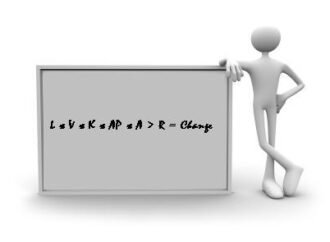
For virtually everyone change means hard work, risk, and the need to learn new ways for unproven benefits. Change is one of the most difficult things for humans to readily accept. Charles Darwin said, “It is not the strongest species that survive, nor the most intelligent, but the ones who are most responsive to change”
READ MORE
In business the only constant is change. That’s a good thing. Without change we don’t grow, and if we aren’t growing, we’re usually stagnating and dying. Changing your organization is difficult; I’ve heard it described as akin to turning and ocean liner — it can be done, but not quickly, without jeopardizing your success. And
READ MORE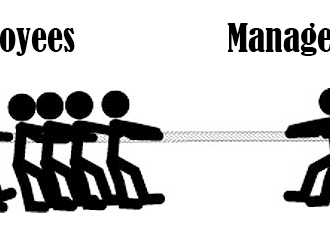
ASQ’s Influential Voices were asked in the recent roundtable topic about change management, specifically: It’s often said that people don’t resist “change” so much as they resist “being changed.” So, the job of change management is clear: In a nutshell, you must explain why the affected people should want to change, and thereby cultivate readiness
READ MORE
Culture can be defined as the sum of individuals’ work habits within an organization. Culture is often invisible to the members within the group because it is “the way we do things around here.” One implication of culture as a collection of habits and practices is that it has incredible inertia and momentum. Cultural inertia
READ MORE
The success of an organization depends increasingly on its ability to adjust quickly to new situations. New trends, regulations, and fierce competition force companies to make major organizational changes in order to remain competitive. The cost in management time and money is significant. Often, an even higher price is paid in employee morale and failures.
READ MORE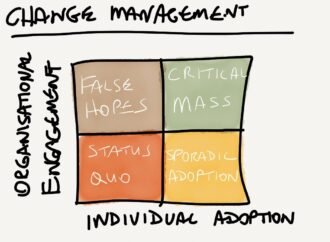
http://www.changefactory.com.au/our-thinking/thoughts-on-the-line/change-management-nutshell/ The ultimate goal of change management is to drive organizational results and outcomes by engaging employees and inspiring their adoption of a new way of working. Whether it is a process, system, job role or organizational structure change (or all of the above), a project is only successful if individual employees change their daily
READ MORE