 A Lean Journey
Lean Quote: Customer Feedback in Lean - Turning Complaints into Improvement
- Lean Quote, Respect For People
- August 28, 2026

Have you noticed yourself often saying things in the heat of the moment that did not mean? Or perhaps you frequently make decisions that you later regret. Maybe sometimes your emotions overwhelm you like a tidal wave, and you feel helpless against them. If any of the above resonated with you, perhaps it’s time to
READ MORE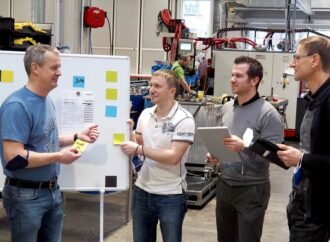
In the workplace, respect and appreciation aren’t just nice-to-haves; they are essential components of a healthy, productive, and loyal workforce. Numerous studies highlight how crucial these elements are to employee satisfaction and overall well-being. A study conducted by the HarvardBusiness School found that employees who feel respected by their leaders are 55% more engaged and
READ MORE
On Fridays I will post a Lean related Quote. Throughout our lifetimes many people touch our lives and leave us with words of wisdom. These can both be a source of new learning and also a point to pause and reflect upon lessons we have learned. Within Lean active learning is an important aspect on
READ MORE
Workplaces that assign blame to individuals rather than looking at organizational issues create an environment where people are afraid to speak out, are defensive, and are unable to be creative. From healthcare and banking to technology and manufacturing, blame culture negatively impacts on employee engagement, productivity, and can result in lost chances for improvement. The
READ MORE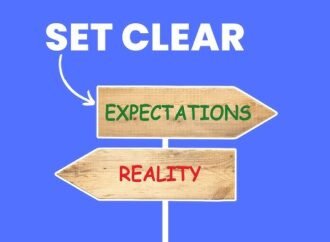
Unclear or misunderstood expectations can lead to a drop in performance, along with conflict between a manager and a team member. Although no one likes a micromanager, most employees appreciate knowing they are on the right track. Setting expectations and communicating employee responsibilities to each new hire can have a long-lasting effect on your business.
READ MORE
The instinct to judge; it’s a common reflex we all possess. We’re hardwired to evaluate and assess the people and situations around us. Judgement is a hard-wired mechanism for survival, a natural instinct, and a defense mechanism. Most of us partake in constant judgment of people’s clothing, judgement of people’s words, judgment of people’s actions.
READ MORE