 A Lean Journey
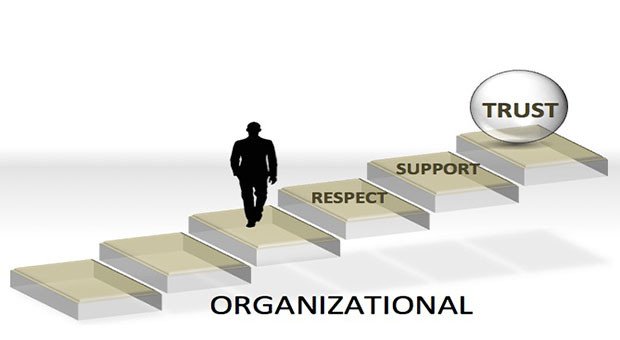
The “Respect for People” pillar in Lean philosophy, originating from Toyota, is foundational, emphasizing that mutual trust and respect for every individual drives continuous improvement, better results, and a strong culture, moving beyond just politeness to actively developing, empowering, and aligning everyone to solve problems, grow professionally, and contribute their best ideas. Without trust, tools become compliance exercises and improvement becomes performative. With trust, people engage, problems surface earlier, and learning accelerates.
This pillar builds naturally on Hansei (self-reflection), humility, gratitude, and integrity. Together, these habits create the conditions where respect is not assumed or demanded—but earned and sustained through everyday actions.
Why Mutual Trust Matters
Trust must be mutual to be meaningful. It is not something leaders grant to employees or teams demand from management. Mutual trust means we agree to operate within shared standards, values, and expectations—and we acknowledge that every person will occasionally fall short.
What defines a healthy culture is not the absence of mistakes, but how we respond when trust is tested. Do we default to blame, or do we seek understanding and learning? Organizations that practice mutual trust treat failures as opportunities to strengthen relationships, not weaken them.
When trust is present, people speak up sooner, collaborate more openly, and take ownership beyond their job description. When it is absent, even the best systems struggle to perform.
The Two Pillars of Trust
Trust rests on two equally important pillars. Both must be present for trust to endure.
- CAN DO – Competency
Trust grows when people consistently demonstrate the ability to do the work to the expected level of quality. This includes technical skill, problem-solving capability, and a commitment to learning. Leaders build this pillar by providing training, coaching, and clear standards—not by assuming competence will magically appear. - WILL DO – Character
Competence alone is not enough. Trust also depends on character—doing the right thing, even when it is inconvenient. This means keeping commitments, being honest about problems, and acting in alignment with shared values. As the saying goes: “I said I would do it, and I did it.” That reliability is the heartbeat of trust.
When either pillar is missing, trust erodes quickly.
Building Trust Horizontally and Vertically
Mutual trust must be built in all directions.
Horizontally, trust among peers grows through respect in daily interactions—listening fully, assuming positive intent, and supporting one another during challenges. Teams with strong horizontal trust solve problems faster because they are not protecting turf or egos.
Vertically, trust is built through consistency and fairness across organizational levels. Leaders show respect by listening, explaining decisions, and going to the gemba rather than managing from a distance. Employees build vertical trust by being transparent, raising issues early, and honoring commitments—even when no one is watching.
A simple reflection can be powerful:
- How do I communicate with those above me when I disagree?
- How do I respond to those who report to me when they struggle?
Respect as a Daily Practice
Respect is not a slogan—it is a behavior. At its core, respect means treating others as you would want to be treated, especially when pressure is high. When respect is practiced consistently, mutual trust follows.
In the Genba Ikigai House, Respect & Mutual Trust is not the result of perfection. It is the result of people choosing, every day, to strengthen both pillars of trust—together.



Leave a Comment
Your email address will not be published. Required fields are marked with *