 A Lean Journey
 Teamwork: The Five Dysfunctions of a Team
- Teamwork
- June 16, 2025
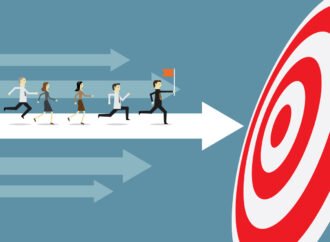
Whether you’re managing a two-person operation or a department of 100, it’s nearly impossible for your organization to grow and move on to the next chapter of success if your whole team isn’t on the same page. Teams are at their best when they work cohesively and rally around shared goals. Alignment in the workplace
READ MORE
Nowadays, many employers cite collaboration as a key employee skill. It’s a great way to encourage people to share knowledge and resources. It can provide great opportunities for cross-training and networking, and can even improve employee engagement levels. Collaboration means working together with people from across the business to achieve a shared goal. Although similar
READ MORE
Open-mindedness is one of the most sought-after employee traits because it helps increase the chances employees will look for new solutions when current processes don’t work. Being open-minded means you have a willingness to listen to other ideas and opinions and consider the possibility that you are wrong or may change your own perspective. When
READ MORE
Creating a high-performing team requires more than assigning tasks. Managers today must focus on team productivity improvement, structured systems, and clear communication to stay competitive in a fast-changing business environment. Whether your team works in the office or relies heavily on remote team collaboration, the right
READ MORE
Sometimes, when looking outside of our own industry, we discover new perspectives or wisdom that can be applied within our own professional world. In this case, when looking at the topic of workplace teams, it’s a natural to examine and borrow some wisdom from the world of sports, where the strength of a team’s performance
READ MORE
A good team is the foundation for any high-performing business. Superficially, a thriving team looks very much like any other. However, it is what occurs unbeknown to a mere observer which separates a good team from the best team. The attitudes, the behaviors, the interactions, the language and the environment all add up to create
READ MORE