 A Lean Journey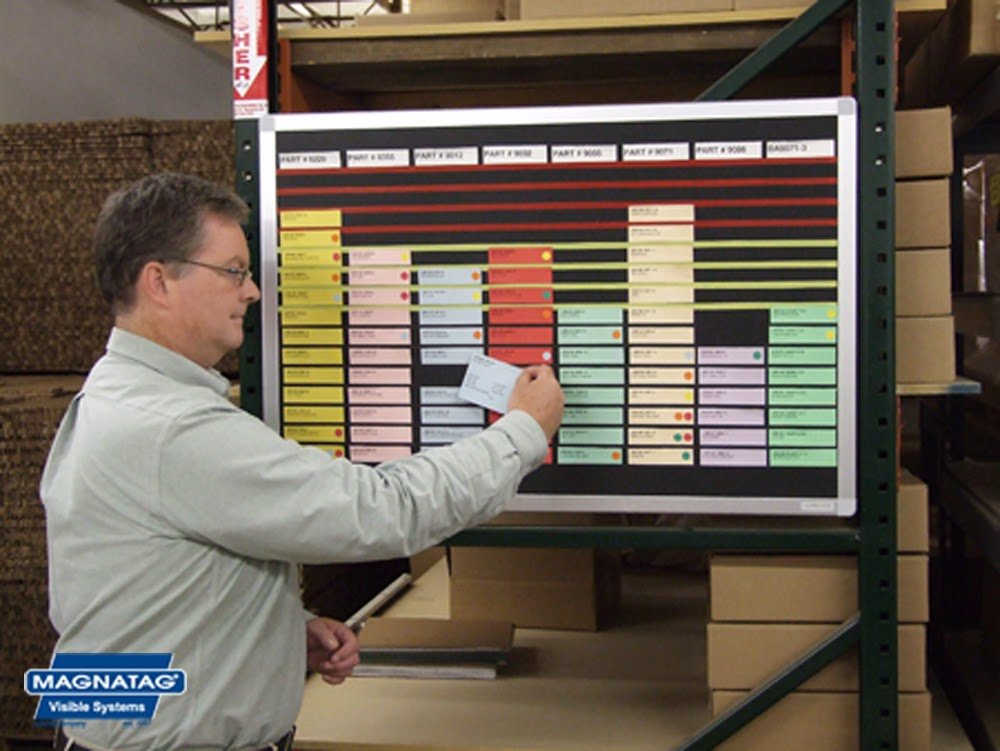
Modern manufacturing environments rely on efficient systems to reduce waste, improve productivity, and streamline workflows. Approaches such as Just in Time (JIT), Continuous Improvement (CI), and Six Sigma are widely used to enhance production efficiency and control inventory levels. One practical and highly effective method used alongside these systems is the Kanban Board System in Manufacturing.
A Kanban system uses visual cards and boards to track work progress, manage inventory, and ensure smooth production flow. Even with advanced digital tools available, many companies still prefer manual Kanban boards because they are simple, flexible, and easy for teams to understand.
What is a Kanban Board System in Manufacturing?
The term Kanban comes from a Japanese word meaning “card” or “visual signal.” The Kanban Board System in Manufacturing helps production teams control Work in Progress (WIP) and maintain a smooth workflow across the production line.
Manufacturers across industries—from food production to automotive and even software development—use Kanban boards to visually organize tasks and manage production stages.
Core Purpose of a Lean Manufacturing Kanban System
| Feature | Description |
| Visual Task Tracking | Displays tasks and production stages clearly for workers |
| Work in Progress Control | Prevents overproduction by limiting tasks in each stage |
| Improved Communication | Keeps teams aligned with real-time task updates |
| Production Flow Optimization | Ensures work moves smoothly between stages |
The Lean Manufacturing Kanban System ensures that everyone on the production floor knows what tasks need to be completed next.

Visual Workflow Management with Kanban
One of the biggest strengths of Kanban is Visual Workflow Management with Kanban boards. Workers can instantly see the status of tasks, priorities, and workload distribution.
When tasks are clearly visible, teams stay motivated and organized because progress can be monitored in real time.
Example of a Kanban Workflow
| Workflow Stage | Purpose |
| To Do | Tasks waiting to begin |
| In Progress | Work is currently being completed |
| Quality Check | Tasks under review |
| Completed | Finished tasks are ready for delivery |
This visual structure improves transparency and helps teams identify bottlenecks quickly.
Kanban Inventory Management System
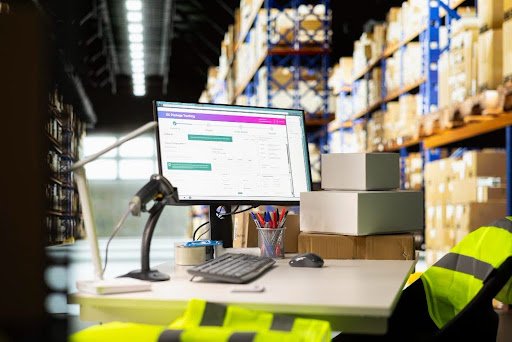
Another major advantage of Kanban is its use as a Kanban Inventory Management System. Instead of storing large amounts of inventory, companies replenish materials only when needed.
This method supports Just in Time production, which reduces waste and storage costs.
Inventory Control Using Kanban
| Inventory Feature | Benefit |
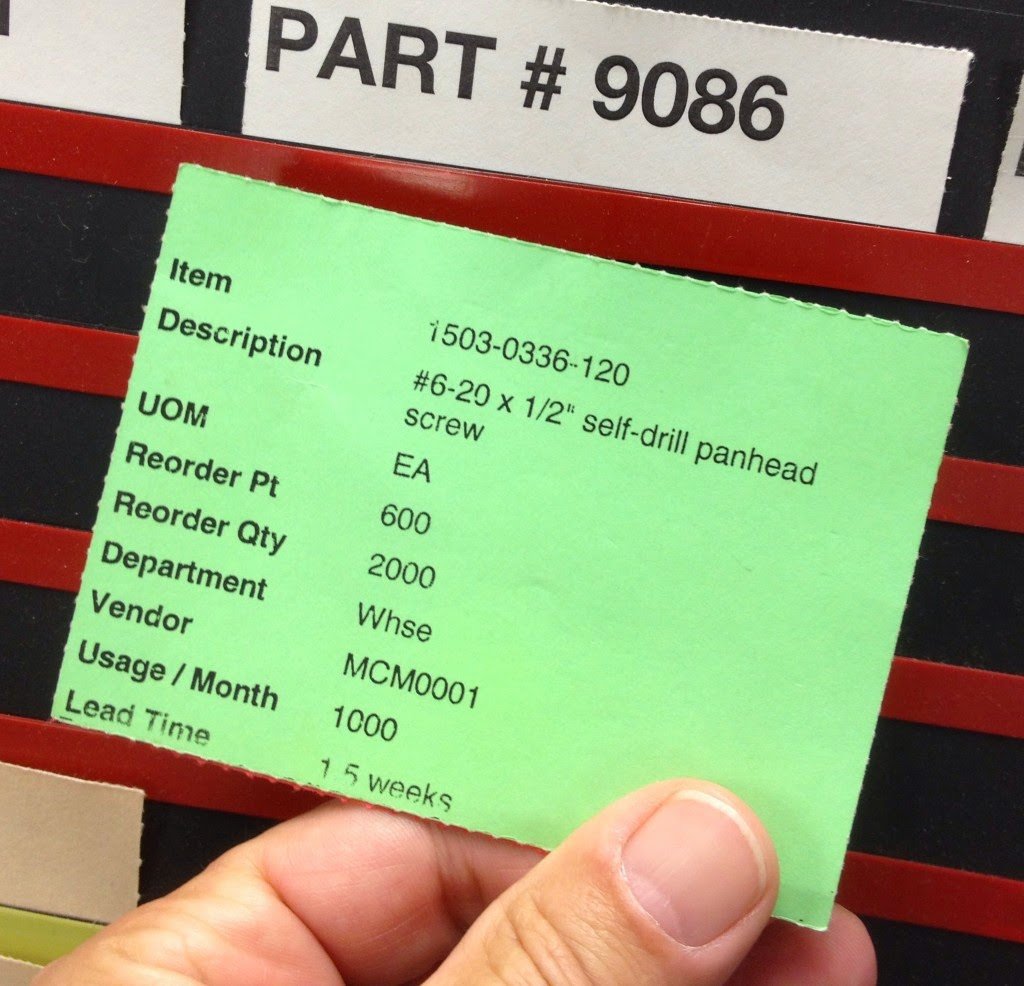
| Kanban Cards | Signal when materials need replenishment |
| Color-Coded Cards | Identify different product types or materials |
| Lot Number Tracking | Helps maintain traceability |
| Real-Time Stock Visibility | Prevents overstocking and shortages |
By using a Kanban Inventory Management System, manufacturers maintain better control over stock levels and production flow.
Benefits of Kanban Boards in the Workplace
Many companies implement Kanban boards because of the significant operational advantages they offer. The Benefits of Kanban Boards in the Workplace extend beyond production efficiency to team collaboration and process transparency.
Key Advantages of Kanban Systems
| Benefit | Explanation |
| Easy Setup | Simple boards and cards make implementation quick |
| User-Friendly | Workers can understand the system without complex training |
| Flexible Layout | Boards can be customized for different processes |
| Better Task Prioritization | Teams always know which job to complete next |
| Improved Team Communication | Everyone can see the project status instantly |
| Increased Efficiency | Reduces wasted time and unnecessary movement |
These advantages make Kanban one of the most practical tools for operational management.
Why Companies Prefer Kanban Board Systems
Even large manufacturing plants that could implement complex digital systems often choose Kanban boards. Their simplicity and visual nature make them ideal for managing production tasks.
Applications of Kanban Boards
| Application Area | Use Case |
| Production Lines | Track manufacturing stages |
| Assembly Operations | Manage assembly sequence |
| Inventory Control | Monitor material usage |
| Job Staging | Organize pending work orders |
| Supply Areas | Maintain material availability |
The Kanban Board System in Manufacturing helps teams maintain clear communication while ensuring work flows efficiently across departments.
Conclusion
The Lean Manufacturing Kanban System is a powerful tool that simplifies workflow management, improves communication, and enhances productivity. Through Visual Workflow Management with Kanban, teams can easily monitor task progress and maintain operational efficiency.
By implementing a Kanban Inventory Management System, companies can also reduce excess inventory and maintain better control over production resources.
Overall, the Benefits of Kanban Boards in the Workplace make them an essential solution for organizations seeking improved efficiency, transparency, and teamwork in their manufacturing processes.








Leave a Comment
Your email address will not be published. Required fields are marked with *