 A Lean Journey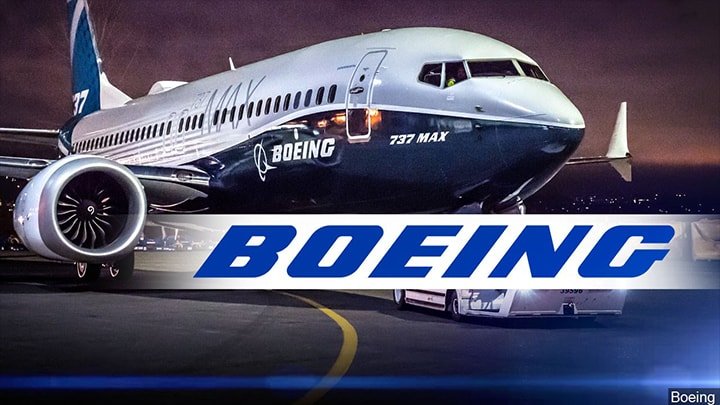
Organizations often follow a simple rule: what gets measured gets done, and what gets rewarded gets done faster. Businesses shape employee behavior through recognition, incentives, and performance metrics. This concept highlights the impact of employee rewards on performance and how reward systems influence organizational priorities.
In large global companies, reward systems do more than motivate individuals—they shape the entire corporate culture and employee incentives structure that drives decision-making, productivity, and long-term results.

The Connection Between Rewards and Employee Behavior
Employees naturally respond to incentives and recognition. When organizations reward certain behaviors, those behaviors are likely to be repeated. If productivity, efficiency, or safety are tied to incentives, employees prioritize those outcomes.
The table below explains how reward systems influence workplace behavior.
| Reward Focus | Employee Behavior Encouraged | Organizational Outcome |
| Financial performance incentives | Focus on profits and cost control | Short-term financial gains |
| Safety and quality incentives | Careful inspection and process discipline | Improved product reliability |
| Innovation rewards | Creative problem-solving | Long-term business growth |
| Team recognition programs | Collaboration and engagement | Strong workplace culture |
This illustrates the impact of employee rewards on performance, where incentives directly shape the priorities of employees and teams.
Boeing Safety and Quality Issues: A Case Study
In recent years, Boeing’s safety and quality issues have drawn global attention. The aviation giant faced major challenges related to aircraft safety, production processes, and operational oversight.
Several key incidents triggered scrutiny:
| Event | Description | Impact |
| 737 MAX crashes | Two fatal crashes linked to design flaws | Global grounding of aircraft |
| Production quality concerns | Manufacturing and inspection issues | Delivery delays |
| Alaska Airlines door plug incident | Door panel failure during flight | Investigation and regulatory attention |
These events raised concerns about the safety culture in aviation industry and how organizational priorities influence operational outcomes.

Corporate Culture and Employee Incentives at Boeing
Many analysts argue that Boeing’s culture shifted over time. Earlier leadership focused heavily on engineering excellence and product reliability. Over the years, critics say financial performance became a stronger driver of internal incentives.
The relationship between corporate culture and employee incentives can be summarized below.
| Cultural Focus | Incentive Structure | Resulting Organizational Behavior |
| Engineering-driven culture | Quality and technical excellence rewarded | Strong product reliability |
| Financial performance focus | Bonuses tied to financial metrics | Emphasis on shareholder returns |
| Balanced performance culture | Safety, quality, and financial metrics rewarded | Sustainable business performance |
When organizations emphasize financial metrics alone, operational risks may increase. This is why many companies are reassessing how leadership decisions and organizational performance are connected.
Strengthening the Safety Culture in the Aviation Industry
In response to criticism and operational setbacks, Boeing has adjusted its incentive structure. Employee bonuses are now more strongly linked to safety and quality metrics.
Key changes include:
| Initiative | Objective | Expected Impact |
| Safety-focused incentives | Encourage reporting of issues | Stronger safety culture |
| Quality performance metrics | Improve manufacturing standards | Higher product reliability |
| Employee safety training | Increase accountability and awareness | Better operational discipline |
| Operational transparency | Improve communication between teams | Faster problem resolution |
These changes aim to strengthen the safety culture in aviation industry, where employees feel empowered to identify and address problems without fear of penalties.
Leadership Decisions and Organizational Performance
Corporate leadership plays a crucial role in shaping business outcomes. The connection between leadership decisions and organizational performance is particularly visible in industries where safety, quality, and reliability are critical.
Effective leadership aligns incentives with long-term operational goals.
| Leadership Decision | Organizational Effect | Business Result |
| Reward safety reporting | Encourages transparency | Improved risk management |
| Invest in workforce training | Strengthens technical capability | Better product quality |
| Balance financial and operational metrics | Creates strategic alignment | Sustainable growth |
| Empower frontline workers | Faster problem detection | Higher operational efficiency |
When leadership aligns incentives with safety, quality, and operational excellence, organizations build stronger resilience and long-term success.
The Key Lesson: Reward the Right Behaviors
The Boeing example reinforces an important principle in business management: organizations must carefully design their incentive systems.
The relationship between corporate culture and employee incentives, the impact of employee rewards on performance, and leadership decisions and organizational performance ultimately determines whether companies prioritize short-term gains or long-term sustainability.
For industries such as aviation—where safety and reliability are essential—building a strong safety culture in aviation industry is not just beneficial, it is critical for long-term success.








Leave a Comment
Your email address will not be published. Required fields are marked with *