 A Lean Journey
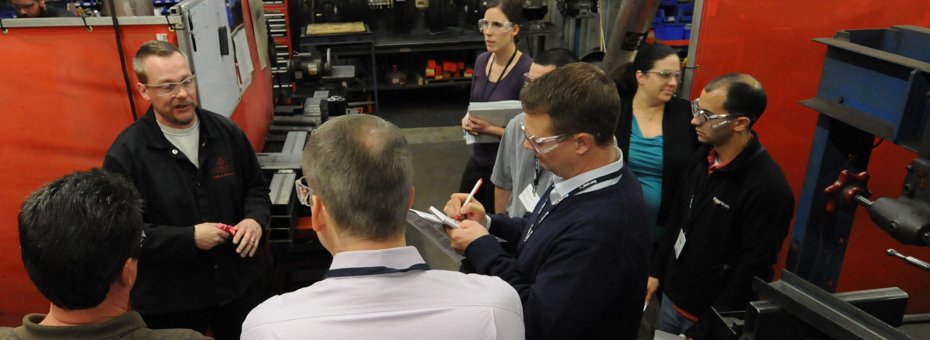 Gemba walks are one of the most powerful—and most poorly executed—practices in Lean leadership.
Many organizations “do” Gemba walks. Leaders put them on calendars, create checklists, and walk the floor. Yet little changes. Problems persist. Trust erodes. People become guarded.
The issue isn’t the concept of Gemba.
It’s how leaders show up.
Here are the most common reasons Gemba walks fail.
- They Start as a Program,Nota Mindset
When Gemba walks are launched as an initiative, they quickly become routine and mechanical. What begins with curiosity slowly turns into compliance.
- Weekly walks.
- Standard questions.
- Required attendance.
Over time, the behavior becomes predictable—and so does the outcome. Leaders show up because they are supposed to, not because they are genuinely trying to understand the work. Teams prepare accordingly.
What’s missing is intent. Gemba is not a tool to deploy—it’s a way of thinking about leadership. Without that mindset, the walk becomes theater. Activity replaces learning, and presence replaces purpose.
- Leaders Go Looking for Answers Instead of Understanding
Many leaders enter the Gemba with solutions already in mind. They see a problem and immediately shift into fixing mode.
They say things like:
- “We should fix that.”
- “Why don’t you just…”
- “Here’s what worked at my last company.”
While often well-intended, this behavior shuts learning down. The moment leaders start solving, the conversation narrows. People stop explaining how the work actually functions and start defending it.
Gemba walks are meant to slow thinking, not speed it up. When leaders rush to answers, they miss the real causes—and signal that listening is optional.
- The Focus Shifts to People Instead of the System
When something goes wrong, leaders often default to questions about individuals:
- “Who trained them?”
- “Why did you do it that way?”
- “Who owns this?”
Even when asked calmly, these questions feel personal. They suggest blame, not curiosity. Over time, people learn that Gemba walks are risky. The safest response becomes short answers—or silence.
Lean thinking teaches us that most problems live in the system, not the individual. Poorly designed processes, conflicting priorities, unclear standards, and uneven workloads create predictable outcomes. Gemba walks fail when leaders forget that and unintentionally turn observation into evaluation.
- Leaders Overreact to What They See
Nothing kills Gemba faster than visible reactions.
- A raised eyebrow.
- A sharp comment.
- An on-the-spot correction.
Even subtle reactions shape behavior. People quickly learn what draws attention—and what to hide. The work starts to look cleaner during Gemba walks, not because it improved, but because it’s being staged.
When leaders overreact, the Gemba becomes a performance instead of a learning space. Reality gets filtered, and the opportunity to understand real problems disappears.
- There Is No Follow-Up
Teams raise issues. Leaders nod. Notes are taken.
And then… nothing happens.
This is where trust quietly erodes. Unclosed loops are worse than not asking at all. When problems disappear into leadership notebooks, people learn that speaking up has little value.
Each unanswered concern makes the next Gemba walk less honest. Conversations get shorter. Issues stay hidden. Silence grows—not because problems are gone, but because belief in action is gone.
- Leaders TreatGembaas a Walk, Not a Practice
Walking the floor without reflection, coaching, or problem-solving follow-through reduces Gemba to a tour. Leaders see activity, but little insight is gained.
The real work happens after the walk:
- Reflecting on what was learned
- Connecting observations to system-level thinking
- Supporting teams in structured problem solving
Without this discipline, Gemba walks become busywork—motion without progress.
Why Failure Matters
When Gemba walks fail, they don’t just waste time—they actively damage trust.
People begin to see Gemba as:
- Surveillance instead of support
- Inspection instead of learning
- Leadership theater instead of leadership behavior
The irony is painful. A practice designed to demonstrate respect for people often does the opposite when executed poorly.
The Fix Is Simpler Than It Sounds
Gemba walks succeed when leaders:
- Go to learn, not to judge
- Ask fewer questions and listen more
- Focus on systems, not people
- Control their reactions
- Follow up consistently
These behaviors aren’t complex—but they require discipline and humility. Which leads to the deeper shift most organizations miss…
Fixing how Gemba walks are conducted is important—but it’s not the end goal. Even well-executed walks fall short if they remain isolated events. The deeper challenge is not doing better Gemba walks, but changing how leaders think about work, problems, and learning. That shift—from an activity to a mindset—is what turns Gemba walks into something far more powerful. It’s the move from walking the Gemba to thinking from the Gemba, which is where real leadership transformation begins.




Leave a Comment
Your email address will not be published. Required fields are marked with *