 A Lean Journey
 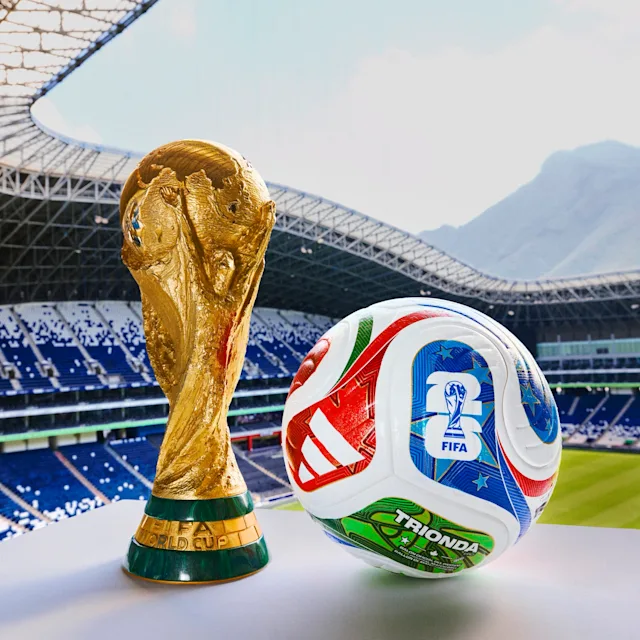 The world’s attention will turn to North America in 2026 as the FIFA World Cup comes to the United States, Canada, and Mexico. The largest World Cup in history will feature 48 teams, 16 host cities, and more than 100 matches spread across the continent. While billions of fans will focus on goals, stars, and championships, there is another fascinating aspect hidden beneath the surface: elite soccer organizations operate using many of the same principles found in Lean Thinking and Continuous Improvement.
At the highest levels, soccer is far more than athletic talent. Success comes from disciplined systems, teamwork, rapid problem-solving, standard work, visual management, and relentless improvement. The world’s best teams continuously analyze performance, adjust tactics, eliminate waste, and focus on flow — concepts that are remarkably similar to Lean management practices used in successful organizations around the world. The beautiful game offers valuable lessons for leaders looking to improve culture, teamwork, and operational excellence in their own businesses.
Lean-Themed Lessons from Soccer
- Quick Passing = Reduce Delays and Handoffs
Great soccer teams move the ball quickly and efficiently. The best teams avoid holding the ball too long because delays create opportunities for the opponent to disrupt flow. Players are trained to anticipate movement and make fast, purposeful decisions.
In Lean organizations, delays and excessive handoffs create inefficiency, confusion, and waste. Every unnecessary approval, meeting, or transfer between departments slows the flow of value to the customer.
Lean Lesson:
Focus on improving flow by reducing bottlenecks, simplifying approvals, and minimizing delays between processes. The smoother the handoff, the faster value reaches the customer.
- Formation Discipline = Role Clarity
Successful soccer teams understand positioning and structure. Every player knows their responsibilities within the system. While creativity is encouraged, chaos is avoided because each player understands their role and how it supports the team.
Organizations often struggle when responsibilities are unclear or overlapping. Confusion creates duplication, missed opportunities, and frustration.
Lean Lesson:
Create clear roles, responsibilities, and standard work. Teams perform best when everyone understands how they contribute to the larger system.
- Continuous Tactical Adjustments = PDCA Thinking
Elite soccer coaches constantly adjust strategies during a match. Teams study opponents, analyze performance data, and adapt formations or tactics in real time.
This closely resembles the Lean PDCA cycle:
- Plan
- Do
- Check
- Adjust
Continuous improvement is not a one-time initiative — it is an ongoing process of learning and adaptation.
Lean Lesson:
Encourage teams to experiment, learn quickly, and make small adjustments continuously rather than waiting for large-scale changes.
- Conditioning and Training = Workforce Development
Championship teams invest heavily in conditioning, practice, and player development. Athletes continuously sharpen their technical skills, endurance, and decision-making abilities.
Lean organizations also require investment in people. Continuous improvement depends on employees who are trained, engaged, and empowered to solve problems.
Lean Lesson:
Develop people continuously. Training, coaching, and skill-building are essential for long-term organizational success.
- Team Chemistry = Culture Matters
Many World Cups have shown that the most talented collection of players does not always win. Teams with trust, communication, and strong culture often outperform teams with superior individual talent.
Businesses experience the same reality. Toxic cultures create silos and dysfunction, while strong cultures encourage collaboration and accountability.
Lean Lesson:
Culture is a competitive advantage. Build trust, encourage teamwork, and create an environment where people work toward shared goals.
- Film Review = Reflection and Learning
After every match, teams spend hours reviewing film to identify strengths, mistakes, and opportunities for improvement. Learning is built directly into the process.
Too often organizations rush from one crisis to another without taking time to reflect.
Lean Lesson:
Build reflection into the work. Conduct regular reviews, after-action discussions, and problem-solving sessions to learn from successes and failures.
- Possession Control = Flow Management
Top soccer teams value possession because controlling the ball controls the pace and flow of the game. Constant turnovers create instability and waste energy.
In Lean systems, poor flow creates interruptions, waiting, rework, and inefficiency.
Lean Lesson:
Focus on stable flow of work and information. Reduce interruptions and create processes that move smoothly from start to finish.
- Pressing Defense = Problem Detection Early
The best defensive teams apply pressure early to force mistakes before problems grow larger. Waiting too long gives the opponent more options and increases risk.
Lean organizations emphasize identifying problems at the source and responding quickly before defects spread downstream.
Lean Lesson:
Detect and address problems early. Create systems that make abnormalities visible and encourage immediate corrective action.
- Playing as a System = Optimize the Whole
A soccer team succeeds when all players work together as a connected system. Individual statistics matter far less than how effectively the team functions collectively.
Organizations often optimize departments individually while hurting overall performance.
Lean Lesson:
Avoid silo thinking. Optimize the entire value stream rather than maximizing one department at the expense of another.
- Preparation Wins Championships = Long-Term Thinking
World Cup success is built years before the tournament begins. Elite national programs develop talent pipelines, coaching systems, and development philosophies over decades.
Lean organizations also succeed through patience, discipline, and long-term thinking rather than quick fixes.
Lean Lesson:
Sustainable improvement requires long-term commitment. Build systems and capabilities that support lasting success instead of chasing short-term results.
Final Thoughts
The FIFA World Cup may seem far removed from manufacturing plants, hospitals, offices, or service organizations, but the principles behind elite performance are remarkably similar. Great soccer teams succeed through teamwork, discipline, adaptability, learning, and continuous improvement — the same principles that drive Lean excellence.
Organizations that embrace these lessons can improve flow, strengthen culture, develop people, and respond more effectively to change. Like championship soccer teams, high-performing businesses understand that success is not built on isolated moments of brilliance, but on systems that consistently enable people to perform at their best.
In the end, Lean Thinking and the beautiful game share the same core truth: continuous improvement is a team sport.




Leave a Comment
Your email address will not be published. Required fields are marked with *