 A Lean Journey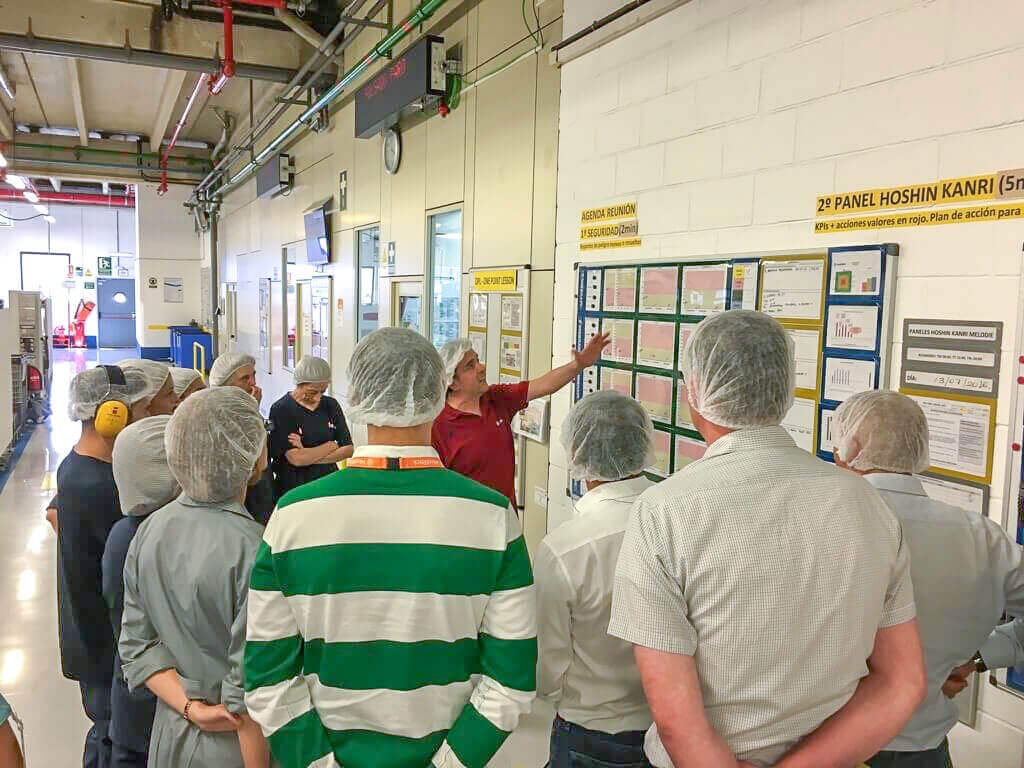
In today’s fast-paced manufacturing and service environments, an efficient and consistent Daily Management System is one of the most powerful ways to drive performance, boost team alignment, and create a culture of Lean continuous improvement. When done right, these meetings keep frontline teams focused, help leaders quickly identify issues, and ensure that every day starts with clarity and purpose.
Whether you’re trying to improve frontline employee engagement strategies, enhance operational flow, or build better communication habits, these Lean daily management tips will help you transform your daily meetings into a true engine of organizational success.
Below is the best of the best advice for running a truly effective, repeatable, human-centered meeting that people will actually value.
1. Segregate Meetings by Management Levels (Tier 1, Tier 2, Tier 3)
One of the most important principles of daily tier meetings is ensuring the right people are addressing the right issues at the right level.
- Tier 1: For frontline teams—focus on immediate issues, daily production goals, and resource needs.
- Tier 2: For middle management—focus on systemic problems, workflow alignment, and short-term improvement plans.
- Tier 3: For senior leadership—focus on high-level strategy, long-term priorities, and cross-departmental alignment.
Segregating meetings this way eliminates noise, improves decision-making, and ensures problems are escalated only when necessary.
2. Meet In Person Near the Gemba
A critical principle in Lean is to “Go to Gemba,” meaning the actual place where value is created. Conduct your Gemba walk meeting or daily huddle near the shop floor so discussions are grounded in reality—not assumptions.
Meeting close to operations helps leaders:
- See problems firsthand
- Understand context quickly
- Build trust with frontline employees
While digital tools exist, nothing beats face-to-face conversations at the source of the work.
3. Set a Strict Time Limit
No one likes long meetings—especially in a manufacturing or operations environment. Effective Lean manufacturing meetings should be short, sharp, and structured.
Aim for 15–30 minutes max, focusing only on:
- Yesterday’s performance
- Today’s priorities
- Major obstacles
- Critical action items
This keeps the team focused and reduces meeting fatigue.
4. Start With Positive Wins
Humans are more motivated when they start with positivity. Begin your daily stand-up meeting with brief wins or shout-outs such as:
- “We hit yesterday’s production target.”
- “Maintenance resolved breakdowns ahead of schedule.”
- “A team member showed exceptional problem-solving.”
This not only boosts morale but sets a constructive tone for the discussion ahead.
5. Safety Comes First—Always
No Lean meeting is complete without a conversation about safety. Discuss:
- Near misses
- Hazards spotted during Gemba
- Safety improvements needed
Keeping safety at the center reinforces a culture of care and responsibility.
6. Don’t Solve Problems in Real Time
A common mistake teams make is turning the meeting into a problem-solving workshop. Your daily huddle is for identification, not resolution.
If an issue arises:
✔ Acknowledge it
✔ Assign someone responsible
✔ Set a timeline for follow-up
This keeps the meeting efficient and prevents derailment.
7. Capture and Track Action Items Clearly
Every meeting must end with clarity on who owns what. Action items should include:
- The responsible person
- Expected completion date
- Metrics or outcomes expected
This makes your daily management system measurable, accountable, and results-driven.
Table: Ideal Daily Management Meeting Structure
| Meeting Section | Purpose | Ideal Duration |
| Positive Wins | Boost morale & motivation | 2–3 min |
| Safety Review | Prevent incidents & reinforce awareness | 3–5 min |
| Performance Review | Check metrics & progress | 4–6 min |
| Issues & Escalations | Identify and assign problems (no solving) | 4–6 min |
| Action Items & Responsibilities | Clarify next steps | 2–3 min |
Final Thoughts
Running effective daily huddles is not about overwhelming your team with information—it’s about building a Lean daily management rhythm that fuels continuous improvement, swift decision-making, and strong team alignment.
By practicing the strategies above, your daily huddle meeting best practices will transform from a routine activity into a powerful catalyst for team success, operational excellence, and organizational growth.









Leave a Comment
Your email address will not be published. Required fields are marked with *