 A Lean Journey
Lean Quote: The Power Of 1% Better
- Lean Basics, Lean Quote
- May 29, 2026

Kaizen events are opportunities to discuss problems within your organization. The purpose is to find workable solutions to problems within an organization or to find new opportunities for a company. The participants of a Kaizen event are key to the success of it. They need to be engaged, thinking and interacting throughout the entire event.
READ MORE
At the center of a Lean culture and key to success is customer focus. Many companies do Lean for internal cost reasons rather than external and customer-focused reasons. The focus of Lean is on providing the customer with more value sooner. Without customer focus, Lean management techniques are difficult to employ. For any business the
READ MORE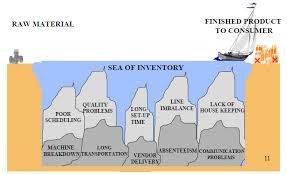
One of the most misunderstood aspects of Lean is the use of inventory. Inventory is one of the eight deadly sins (wastes) in Lean manufacturing. This waste is often one that hides other wastes in our businesses. I think most are familiar with the river and boulder analogy. The water level in the river is
READ MORE
A reader who recently watched “The Secrets to Creating an Effective Value StreamMap Webinar” asked when is okay to skip the current state map. A value-stream map is a visual depiction of the flow of materials and information that provide the customer with a product or service. It also describes the lead time of various
READ MORE
In manufacturing, changeover is the process of converting a line or machine from running one product to another. Changeover times can last from a few minutes to as much as several weeks in the case of automobile manufacturers retooling for new models. Reducing changeover time is like adding capacity, increasing profitability and can help most
READ MORE
A Lean Enterprise is centered on the concept of flow. Once value added activities and necessary non-value activities are identified, improvement efforts are directed toward making the activities flow. Flow is the uninterrupted movement of product or service through the system to the customer. An obvious question is why the processes we operate at the
READ MORE