 A Lean Journey
Lean Quote: The Power Of 1% Better
- Lean Basics, Lean Quote
- May 29, 2026

A Lean Enterprise is centered on the concept of flow. Flow is one of five key Lean Principles identified by Womack and Jones in their book Lean Thinking. They stressed that you need to make value flow. It was this creation of flow that would make it possible to eliminate waste. When material and information
READ MORE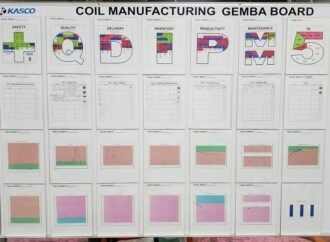
Human beings can definitely learn by hearing, reading, watching, seeing, and analyzing…but when it comes to getting results there is no better way than to learn by DOING. If you want to learn how to drive, you have to drive. Humans are natural learners. They learn from everything they do. When they watch television, they
READ MORE
Photo Source: http://www.chriscastaldo.com/2010/12/28/the-way-to-godliness/ Lean Thinking is often described as a “journey, not a destination”. In many regards this is true since the best Lean companies have found that their improvement efforts never end. Each set of improvements result in improved bottom-line results but also exposes more opportunity. This journey toward dramatically improved business performance shares three
READ MORE
Who doesn’t love LEGOS? It’s fun, it’s practical, and…it’s philosophical. Approach Lean like a LEGO project: brick by brick. “Today I want you to stop worrying about that final plan, and instead focus on just putting the next LEGO brick in the right spot. THAT’S IT.” That’s pretty much how you build with LEGO. One
READ MORE
5S is a process and method for creating and maintaining an organized, clean, and high performance workplace. It enables anyone to distinguish between normal and abnormal conditions at a glance. 5S can be the foundation for continuous improvement, zero defects, cost reductions and a more productive work space. The 5S methodology is a systematic way
READ MORE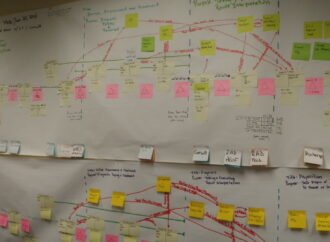
Value stream mapping is a tremendously valuable tool for improving a process. Well suited for a broad range of industries and processes. A value stream map (VSM) illustrates the flow of materials and information as a product or service moves through a process. Value-stream mapping is a useful tool for grasping the current situation and
READ MORE