 A Lean Journey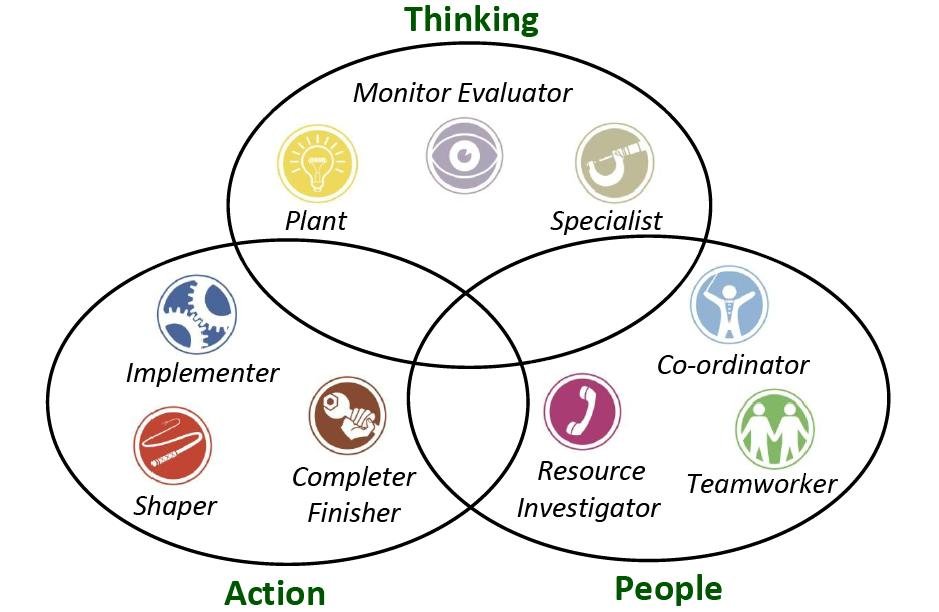
Building an effective team is both an art and a science. One of the most respected frameworks for understanding Team Roles and Responsibilities in the Workplace is the Meredith Belbin framework, known as the Belbin Team Roles Model.
After years of research into team behavior, Belbin identified patterns that influence performance. His work explains how to build a high-performing team by balancing complementary strengths and minimizing weaknesses.
What is the Belbin Team Roles Model?
The Belbin Team Roles Model identifies 9 Team Roles in High Performance Teams based on observable behavior. These roles are grouped into three categories:
- Action-Oriented Roles
- People-Oriented Roles
- Thought (Cerebral) Oriented Roles
Rather than focusing on job titles, the model emphasizes behavior and contribution. When team members understand their natural roles, collaboration improves and productivity increases.
Action, People, and Thought-Oriented Team Roles
Below is a structured breakdown of the Action, People, and Thought Oriented Team Roles using a tabular format for clarity.

Action-Oriented Team Roles
Action-oriented roles focus on execution, momentum, and meeting deadlines.
|
Role |
Core Strength |
Contribution to High Performance |
Potential Weakness |
|
Implementer |
Practical and disciplined |
Turns ideas into structured action plans |
May resist sudden change |
|
Shaper (Task Leader) |
Driven and dynamic |
Keeps the team focused on goals and challenges, and complacency |
Can appear blunt or impatient |
|
Completer/Finisher |
Detail-oriented |
Ensures quality, accuracy, and deadline adherence |
May worry excessively |
These roles are essential when discussing How to Build a High-Performing Team, as they convert strategy into results.
People-Oriented Team Roles
People-oriented roles strengthen collaboration and communication within teams.
|
Role |
Core Strength |
Contribution to High Performance |
Potential Weakness |
|
Coordinator |
Mature and confident |
Delegates effectively and clarifies objectives |
May delegate too much |
|
Team Worker |
Cooperative and supportive |
Promotes harmony and resolves conflicts |
May avoid confrontation |
|
Resource Investigator |
Outgoing and enthusiastic |
Explores opportunities and builds networks |
May lose interest quickly |
These roles are crucial for defining Team Roles and Responsibilities in the Workplace, ensuring alignment and engagement.
Thought (Cerebral) Oriented Team Roles
Thought-oriented roles provide analysis, innovation, and expertise.
|
Role |
Core Strength |
Contribution to High Performance |
Potential Weakness |
|
Plant (Planter) |
Creative thinker |
Generates innovative ideas and solves complex problems |
May ignore details |
|
Monitor/Evaluator |
Strategic and analytical |
Provides objective judgment and evaluates options |
May appear overly critical |
|
Specialist |
Knowledge-focused |
Offers in-depth expertise and technical insight |
May focus narrowly |
These roles support strategic decision-making and innovation in 9 Team Roles in High Performance Teams.
How to Build a High-Performing Team Using Belbin Roles
Understanding the Belbin Team Roles Model helps leaders:
- Identify natural strengths within the team
- Balance Action, People, and Thought-Oriented Team Roles
- Prevent skill overlap or behavioral gaps
- Improve communication and reduce conflict
- Enhance accountability in Team Roles and Responsibilities in the Workplace
High-performing teams are rarely made up of similar personalities. Instead, they thrive on diversity of thinking, structured execution, and strong interpersonal collaboration.
Why Team Role Awareness Improves Workplace Performance
When individuals understand their preferred role:
- They contribute more confidently
- They manage weaknesses proactively
- They collaborate more effectively
- They align better with team objectives
The foundation of the Belbin Team Roles Model is simple yet powerful:
Self-awareness plus balanced team composition leads to sustainable high performance.
By applying these principles, organizations can systematically strengthen teamwork and create measurable performance improvements.









Leave a Comment
Your email address will not be published. Required fields are marked with *