 A Lean Journey
What NASA’s Mission Framework Can Teach Leaders About Building Better Organizations
As a kid, I dreamed of becoming an astronaut. I attended Space Camp in Huntsville three different times, fascinated by rockets, space exploration, and the incredible accomplishments of NASA. While my career ultimately took a different path—engineering, manufacturing, and continuous improvement—that interest in NASA never faded.
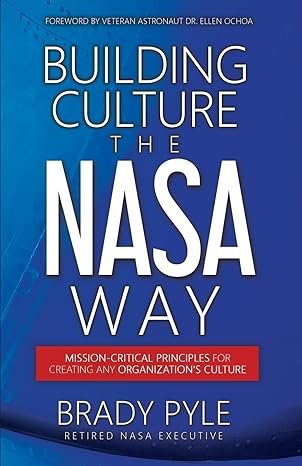
So when I picked up Building Culture the NASA Way by Brady Pyle, I expected stories about space missions and leadership. What I found was something even more relevant to my work today: a practical guide for building organizational culture.
For leaders, managers, and Lean practitioners, that’s a mission worth exploring.
What’s the Book About?
Pyle spent nearly three decades in leadership and human resources roles at NASA’s Johnson Space Center before moving to Space Center Houston. Drawing from those experiences, he presents a framework for intentionally shaping organizational culture.
What makes the book unique is its structure. Pyle creatively organizes the book around the phases of a Space Shuttle mission and uses the acronym NASA to guide leaders through culture transformation:
- N – Navigate the Culture: Understand the history, values, and existing behaviors of your organization.
- A – Assess and Adapt: Measure culture and identify the critical few areas that need improvement.
- S – Shape the Future: Define the culture, values, and behaviors needed for future success.
- A – Accelerate Results: Sustain momentum and continuously improve.
The message is straightforward: culture doesn’t happen by accident. Like a successful space mission, it requires planning, measurement, discipline, and ongoing adjustments.
Along the way, Pylr shares lessons from NASA’s successes and failures, including the Apollo program, the International Space Station, and the Columbia disaster, demonstrating how culture influences organizational performance.
What I Liked
The strongest aspect of the book is the NASA mission framework itself. Many leadership books present long lists of concepts that are difficult to remember after you finish reading. By organizing the content around a Space Shuttle mission, Pyle creates a memorable roadmap that helps readers connect the pieces together.
I also appreciated how practical the book is. Pyle emphasizes measuring culture through surveys, listening sessions, interviews, and feedback rather than relying on assumptions. As a continuous improvement professional, I found this approach refreshing because it mirrors the importance of understanding the current condition before implementing change.
The NASA stories are another highlight. They make the book engaging while illustrating important lessons about leadership, communication, teamwork, safety, and learning from failure. The discussion of the Columbia accident is particularly powerful because it shows how cultural issues can contribute to organizational breakdowns—even in world-class organizations.
What Could Be Better
The book isn’t perfect. Much of the content comes from an HR and employee engagement perspective, so readers looking for deeper discussions of Lean management systems, operational excellence, or strategy deployment may want more. Experienced leaders will also recognize many familiar concepts related to engagement, leadership development, mentoring, and organizational improvement. While the NASA examples are fresh and compelling, some of the underlying principles are not entirely new.
Why Lean Leaders Should Read It
As I read the book, I was struck by how closely many of Pyle’s ideas align with Lean thinking.
The emphasis on understanding the current state, listening to employees, learning from failures, developing people, and continuously improving culture will feel familiar to anyone involved in continuous improvement. In many ways, the NASA framework parallels the thinking behind PDCA and organizational learning.
One lesson particularly resonated with me: NASA’s greatest achievements were often built on lessons learned from setbacks and failures. That’s a mindset every improvement professional can appreciate.
Final Thoughts
Building Culture the NASA Way is an engaging and practical book that combines leadership lessons with fascinating stories from one of the world’s most admired organizations.
As someone who dreamed of becoming an astronaut but ultimately built a career in engineering and continuous improvement, I found the book both enjoyable and useful. The NASA stories make it engaging, but the real value lies in the lessons about leadership, culture, learning from failure, and developing people.
If you’re a Lean leader, manager, HR professional, or change agent trying to create a stronger workplace culture, this book is worth adding to your reading list.
Rating: 4.5/5 Stars
The NASA stories make the book memorable. The framework makes it accessible. And the leadership lessons make it valuable.
Note: Thank you to the publisher and author for providing an advance reader copy (ARC) for review consideration. All opinions are my own and remain entirely unbiased.



Leave a Comment
Your email address will not be published. Required fields are marked with *