 A Lean Journey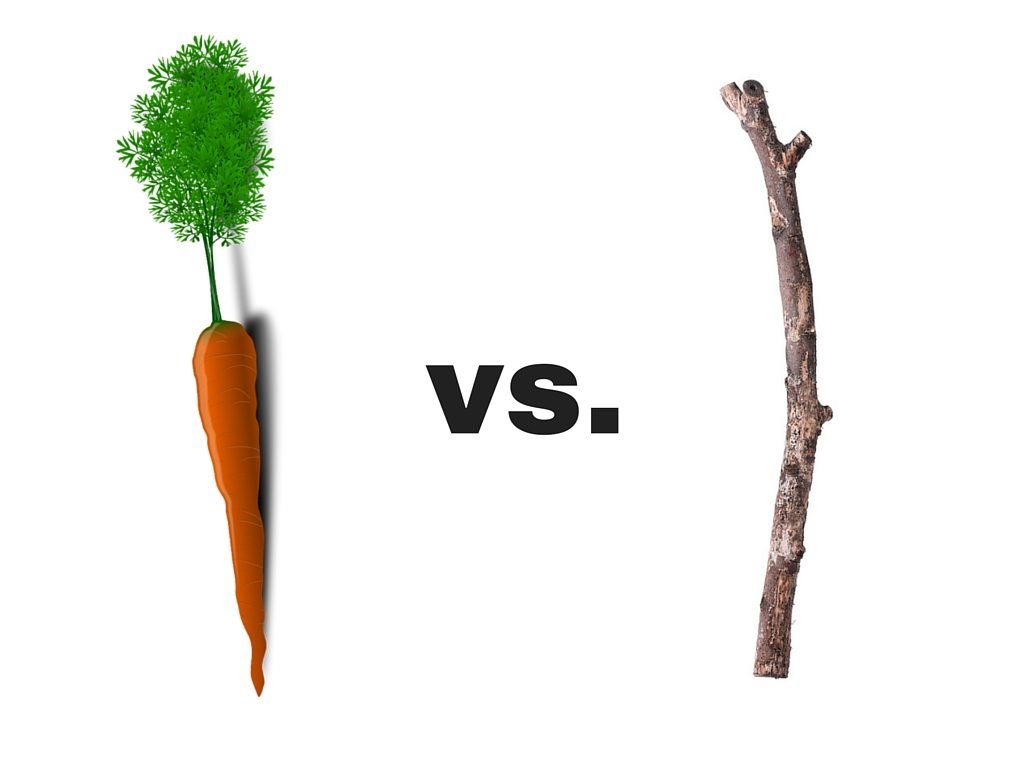
For decades, leaders relied on the Carrot and Stick Motivation Theory — rewarding performance and punishing non-performance. While this method may drive short-term compliance, modern research shows it does not create sustainable engagement or high performance.
Today, organizations must rethink how to Motivate Employees Effectively by focusing on deeper psychological drivers rather than simple rewards and penalties.
Understanding the Carrot and Stick Motivation Theory
The traditional carrot-and-stick approach assumes that employees behave like rational actors responding to incentives and consequences.
| Element | Description | Outcome |
| Carrot (Reward) | Bonuses, praise, promotions | Encourages immediate action |
| Stick (Punishment) | Warnings, penalties, and job loss | Prevents undesirable behavior |
| Focus | Compliance and control | Short-term behavioral change |
| Limitation | Ignores deeper needs | Weak long-term engagement |
This theory worked during the early industrial era when jobs were routine and process-driven. However, today’s knowledge economy demands creativity, initiative, and problem-solving — qualities that external rewards alone cannot sustain.
Why Rewards Drive Action — But Not Excellence
Research suggests rewards can increase action, especially for simple, repetitive tasks. Immediate positive feedback often boosts compliance and visible effort.

However, excessive reliance on external incentives can:
- Reduce creativity
- Lower long-term engagement
- Shift focus from purpose to payment
- Create dependency on rewards
This is why Modern Employee Motivation Strategies emphasize internal drivers over external control mechanisms.
The Power of Intrinsic Motivation in the Workplace
True performance comes from Intrinsic Motivation in the Workplace — the internal desire to perform because the work itself is meaningful, challenging, or fulfilling.
| Intrinsic Drivers | Impact on Employees | Organizational Benefit |
| Meaningful Work | Greater engagement | Higher retention |
| Challenge | Skill development | Innovation |
| Responsibility | Ownership mindset | Accountability |
| Growth | Long-term commitment | Sustainable performance |
Unlike rewards and punishments, intrinsic motivation creates consistent effort without constant supervision.
The Autonomy Mastery Purpose Framework
Daniel Pink’s Autonomy Mastery Purpose Framework explains that sustainable motivation rests on three core human needs:
| Element | Explanation | Leadership Action |
| Autonomy | Desire to control one’s work | Allow decision-making freedom |
| Mastery | Desire to improve skills | Provide learning opportunities |
| Purpose | Desire to contribute to something meaningful | Connect work to larger goals |
When employees experience autonomy, pursue mastery, and connect with purpose, performance improves organically — not because of fear or financial incentives, but because of personal commitment.
How to Motivate Employees Effectively in the 21st Century
Modern roles require creativity, collaboration, and initiative. Leaders must move beyond command-and-control methods and adopt Modern Employee Motivation Strategies built around trust and empowerment.
| Traditional Approach | Modern Approach |
| Control-based management | Empowerment-based leadership |
| Compliance focus | Commitment focus |
| Financial incentives first | Purpose and growth first |
| Short-term results | Long-term engagement |
To motivate effectively, leaders should:
- Encourage ownership and accountability
- Provide meaningful feedback, not just rewards
- Design challenging and engaging work
- Foster a culture of growth and learning
- Align individual goals with organizational purpose
The Shift Leaders Must Make
The carrot-and-stick model may influence behavior, but it does not inspire excellence. Sustainable performance emerges when leaders prioritize Intrinsic Motivation in the Workplace over transactional incentives.
Organizations that embrace the Autonomy Mastery Purpose Framework and implement Modern Employee Motivation Strategies create environments where employees thrive — not because they fear punishment or chase rewards, but because they find meaning and growth in their work.
True motivation is not about carrots or sticks. It is about purpose, progress, and personal ownership.








Leave a Comment
Your email address will not be published. Required fields are marked with *