 A Lean Journey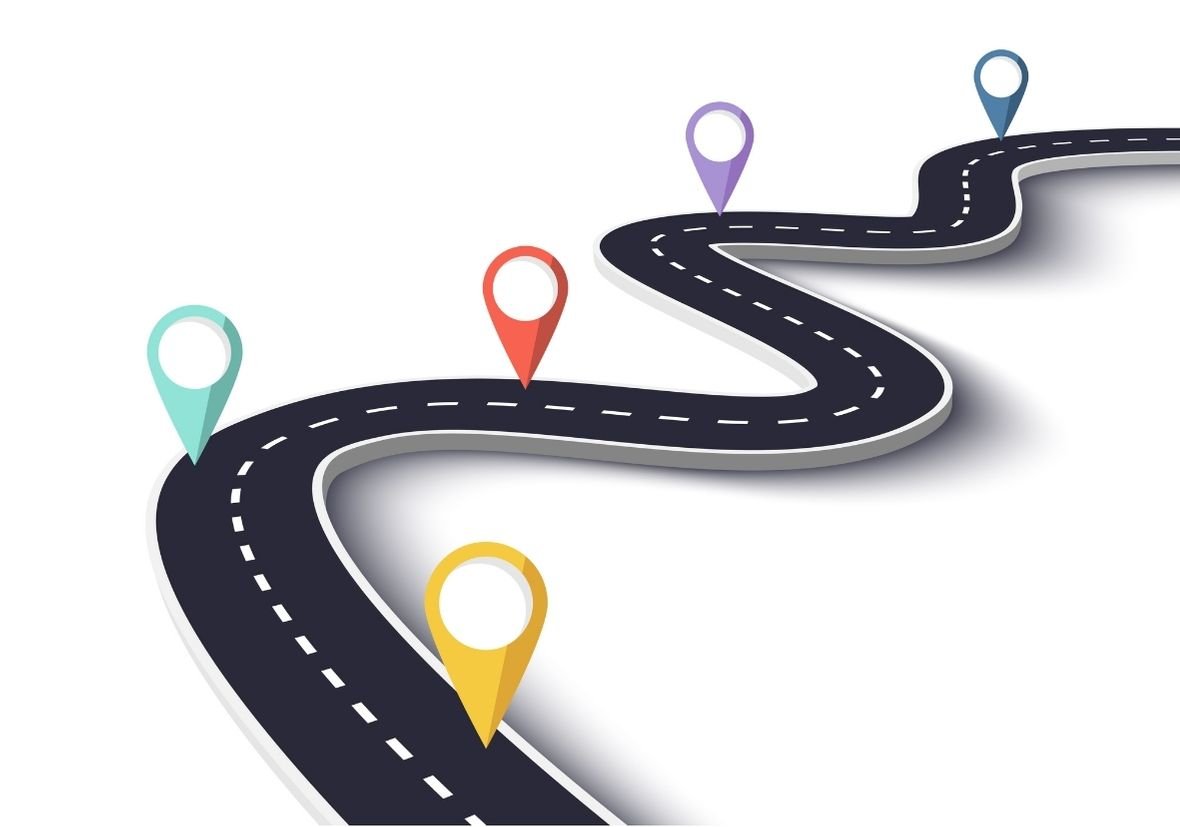
Creating a successful Lean implementation roadmap is one of the most reliable ways to drive real, measurable improvement in any organization. Lean thinking is not just a set of tools — it’s a mindset that helps teams eliminate waste, optimize workflow, and build a culture of continuous improvement. But to transform this mindset into reality, you need a clear Lean transformation strategy backed by structure, direction, and alignment.
A Lean roadmap does exactly that. It shows where you are today, where you want to go, and the exact Lean journey steps required to get there.
Below, you’ll discover the 5 essential steps for creating a Lean roadmap that supports sustainable improvement, strengthens employee engagement, and drives operational excellence.
Why a Lean Roadmap Matters
Lean roadmaps serve as a visual guide for your improvement journey. They highlight milestones, improvement opportunities, and practical next steps that steer your organization toward a stronger Lean management system.
They also help leadership and frontline teams stay aligned with the same goals — making progress measurable, predictable, and easier to sustain.
5 Steps for Creating a Lean Roadmap
1. Define Your Vision, Goals & True North
Every effective roadmap begins with clarity. Senior leadership must define the long-term vision and identify key barriers preventing the organization from achieving it.
Ask yourself:
- What do we want our organization to look like in the next 3–5 years?
- What is our True North?
- What operational challenges or inefficiencies stand in the way?
This step aligns people, departments, and processes with a common purpose. When people see a meaningful future, motivation rises and improvement naturally accelerates.
2. Build the Right Lean Framework
There are many Lean manufacturing improvement strategies, but not all of them apply to every organization. Your roadmap should outline the Lean tools and frameworks that best match your current challenges, resource availability, and business priorities.
This may include:
- Value Stream Mapping
- 5S
- Standard Work
- Kaizen events
- Visual management
- Flow optimization
Choosing the right Lean transformation strategy ensures you focus on what will deliver the most impact first — not just what sounds good in theory.
3. Conduct a Lean Self-Assessment
Before you improve anything, you must understand your baseline. A structured evaluation using Lean assessment tools helps you measure:
- Strengths
- Process gaps
- Cultural barriers
- Areas of waste
- Leadership behaviors
- Improvement opportunities
A Lean self-assessment provides a “current state” map and identifies the most critical gaps slowing your transformation. Many organizations also benefit from external experts who can offer a neutral, experience-based perspective.
4. Develop a Training Plan & Build Lean Capability
No Lean journey succeeds without proper training, coaching, and leadership support.
Invest in:
- Lean training programs for employees and managers
- Hands-on coaching from Lean experts
- Leadership development programs to build capability
- Internal Lean champions who guide others
A strong training plan also reduces resistance by building confidence, knowledge, and ownership. When people understand Lean, they support Lean.
5. Monitor, Review & Adjust (PDCA Cycle)
With your roadmap in place, you must measure progress and adjust the plan using the Continuous Improvement Plan, known as PDCA:
- Plan – Identify goals and expected outcomes
- Do – Implement improvements
- Check – Review results and measure performance
- Adjust – Make necessary changes
Lean is not a one-time project. It is a long-term system that evolves as your organization grows. The goal is to build a Lean organizational culture where improvement becomes a daily habit, not a special event.
Table: Summary of Lean Roadmap Steps & Their Purpose
| Lean Roadmap Step | Purpose |
| Vision, Goals & True North | Aligns the organization with a clear direction |
| Lean Framework Selection | Prioritizes the best improvement strategies |
| Lean Self-Assessment | Identifies gaps and establishes a baseline |
| Training & Resource Development | Builds skills and reduces resistance |
| Monitor & Adjust (PDCA) | Ensures continuous improvement and sustainability |
Final Thoughts
A Lean implementation roadmap is not a plug-and-play template. Every organization is unique, with its own history, culture, and challenges. But by following these five powerful steps, you create a practical, effective, and sustainable Lean management system that accelerates improvement and empowers your people.
Lean is not about perfection — it’s about progress. And the roadmap is your guide to making progress every single day.






Leave a Comment
Your email address will not be published. Required fields are marked with *