 A Lean Journey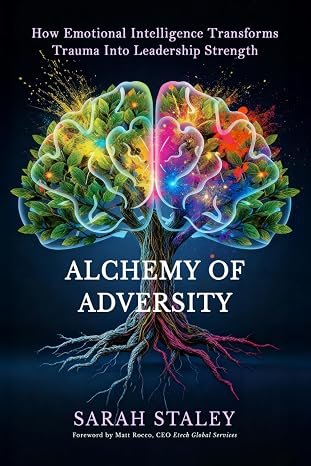
Most leadership books begin with frameworks, models, and tools. Alchemy of Adversity by Sarah Staley takes a very different path—it begins with a deeply personal story of loss, trauma, and survival, then builds toward what leadership looks like on the other side of it.
This is not a typical leadership playbook. It’s a raw, human exploration of what happens when life breaks you—and how that breaking can ultimately shape stronger, more empathetic leaders.
Summary of the Book
At its core, Alchemy of Adversity blends memoir, neuroscience, and leadership thinking. Staley recounts a catastrophic accident that reshaped her life, then connects that experience to how trauma impacts not just individuals, but teams and organizations.
The book progresses through several stages:
- The personal breaking point and survival journey
- The science of trauma, explaining how the brain responds to stress and disruption
- The ALCHEMY™ framework, focused on emotional intelligence competencies
- The application to leadership, including how organizations carry and respond to collective trauma
The key idea: adversity is not something to overcome and forget—it’s something to integrate and transform into leadership capability.
Central Theme
The central message is powerful and highly relevant for today’s leaders:
Trauma does not disqualify you from leadership—it can actually deepen it.
Staley argues that emotional intelligence—self-awareness, self-regulation, empathy, and relationship management—is the mechanism that turns adversity into strength. Without it, leaders (and organizations) stay stuck in fear, disengagement, and dysfunction. With it, they build resilience, trust, and connection.
Ease of Reading
This book is emotionally heavy but highly readable. The storytelling is vivid and immersive, pulling the reader into deeply personal moments while still maintaining a clear connection to leadership lessons. The writing style is direct and conversational rather than academic, which makes complex topics like trauma and neuroscience accessible without oversimplifying them. That said, this is not a quick skim or a light leadership read. Some sections—particularly early in the book—require pause and reflection due to the intensity of the subject matter. Readers looking for fast, tactical takeaways may find it slower going, but those willing to engage more deeply will find it impactful and memorable.
Who This Book Is For
This book is best suited for leaders who are open to exploring the human side of leadership, particularly those who have experienced adversity themselves or are leading through periods of disruption and change. It will resonate with executives navigating organizational challenges such as layoffs, culture shifts, or crisis situations, as well as Lean leaders focused on building stronger cultures and developing people. It is also a strong fit for anyone interested in emotional intelligence and how it applies in real-world leadership contexts. However, readers who are solely looking for tools, templates, or highly tactical guidance without deeper reflection may find this book less aligned with their expectations.
What You Can Expect From Reading It
Readers can expect to walk away with:
- A deeper understanding of how trauma affects behavior and performance
- Greater awareness of their own emotional responses as a leader
- A framework for building empathy-driven, resilient teams
- A shift in perspective—from “fixing problems” to understanding people
Perhaps most importantly, this book challenges the traditional leadership mindset. It suggests that leadership is not about control, but about connection—and that some of the most effective leaders are those who have done the internal work to process adversity.
Final Thoughts
Alchemy of Adversity is not just a leadership book—it’s a perspective shift.
It reminds us that behind every metric, process, and improvement initiative are people carrying experiences that shape how they show up. For Lean leaders especially, this is a critical insight. Sustainable improvement doesn’t happen without psychological safety, trust, and emotional awareness.
This book doesn’t replace traditional leadership tools—it deepens them.
Disclaimer
A copy of this book was provided for the purpose of this review.




Leave a Comment
Your email address will not be published. Required fields are marked with *