 A Lean Journey
 Lean Quote: Adapt or Fall Behind - Why Continuous Evolution Matters in Lean
- Lean Basics, Lean Quote
- July 24, 2026

In today’s economy many companies are looking for cost savings. Eliminating muda (waste) is the focus of most lean manufacturing efforts. But two other M’s are just as important to making lean work. In fact, focusing on only the eight wastes of muda can actually hamper productivity. Lean is about the elimination of muda, muri,
READ MORE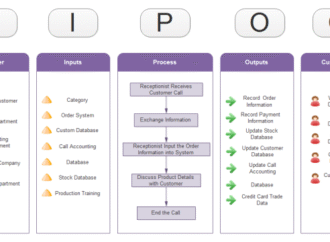
In process improvement, a SIPOC is a tool that summarizes the inputs and outputs of one or more processes in table form. The acronym SIPOC stands for suppliers, inputs, process, outputs, and customers which form the columns of the table. First, a quick review of the elements of a SIPOC: S (supplier): Entity that provides
READ MORE
Process mapping is the foundation of operational clarity. Before you apply any Process Improvement Strategies, you need a clear, shared understanding of how work actually flows inside your organization. When done right, Business Process Mapping Techniques create transparency, eliminate confusion, and unlock measurable efficiency gains. The goal isn’t documentation for the sake of documentation —
READ MORE
Everything everyone does within an organization is part of a process. So invariably if you want to improve what the organization does, then you have to focus on improving the process. By putting your emphasis on the process, you avoid the typical trap that so many business leaders seem to fall prey to – looking
READ MORE
I have been sharing thoughts for a while, now it is your turn. I wan to hear your feedback on some questions that I have been pondering. Many Lean transformations stories start with a burning platform. The term is used to describe an extremely urgent or compelling business situation in order to convey, in the
READ MORE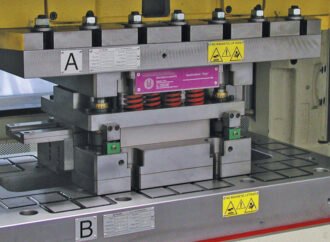
Reducing machine down time is the main goal of set-up reduction. However, reducing set-up times will boost your company’s capacity, increase your manufacturing flexibility, and help increase overall output. The five basic steps to reduce changeover / set-up time are as follows: 1. Observe and record the current method (videotaping is
READ MORE