 A Lean Journey
 Lean Quote: Adapt or Fall Behind - Why Continuous Evolution Matters in Lean
- Lean Basics, Lean Quote
- July 24, 2026
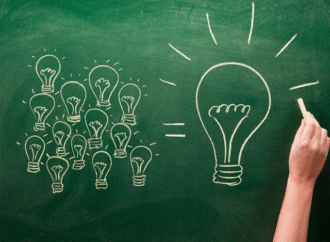
An effective employee suggestion system is one of the simplest ways to unlock continuous improvement ideas at work. Yet many organizations struggle because their systems are poorly designed, hard to use, or fail to follow through on employee input. When implemented correctly, employee ideas drive measurable results—improving processes, increasing engagement, and strengthening a culture of
READ MORE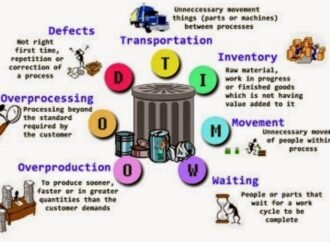
Employees want to do their best, sometimes the system or process does not position them to be successful. At times, it can be difficult for employees to see the forest for the trees. Sometimes they cannot see past the mounds of work at hand. This is why Lean Thinking shifts the viewpoint from a worker-centric
READ MORE
Every organization that has implemented Lean is faced with the issue of how to train new employees so they fully understand the organizational culture and its approach to continuous improvement. Passing along your organizational culture to new employees is as important as any aspect of their training. An effective employee not only understands your organizational
READ MORE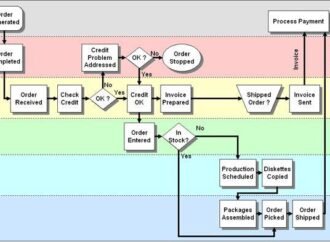
A process map is like a flowchart. It is constructed for the purpose of showing the flow of a process or cycle over time. The detailed sequences of activities, inputs, and outputs for a particular process is the key information needed to construct the map. The way in which this information is obtained is by
READ MORE
A process map is like a flowchart. It is constructed for the purpose of showing the flow of a process or cycle over time. The detailed sequences of activities, inputs, and outputs for a particular process is the key information needed to construct the map. The way in which this information is obtained is by
READ MORE
The primary objective of Cycle Time Reduction is to achieve total customer satisfaction by delivering faster, more reliable outcomes without compromising quality. Successful cycle time reduction focuses on improving how work flows through a process using existing resources, technology, and capital—while laying the foundation for Continuous Improvement. By systematically analyzing the Current State vs Future
READ MORE