 A Lean Journey
 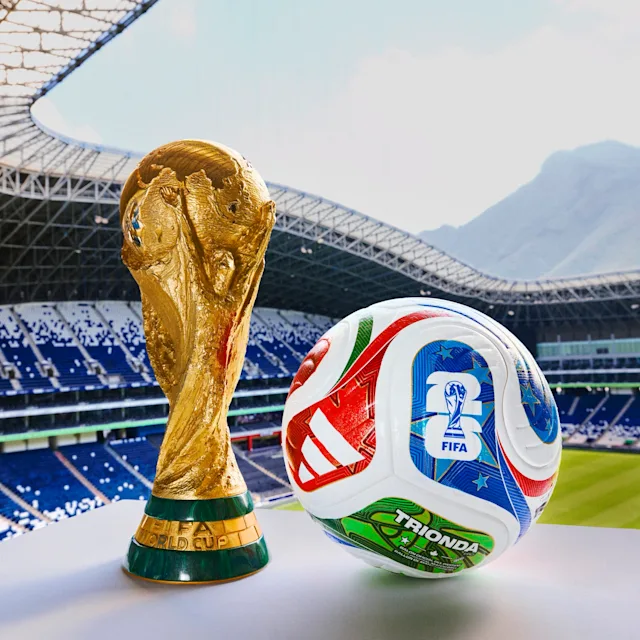 As the 2026 FIFA World Cup unfolds across the United States, Canada, and Mexico, fans are witnessing more than spectacular goals and dramatic finishes—they are witnessing resilience in its many forms. South Africa responded to an early setback by regrouping and earning the nation’s first trip to the World Cup knockout stage. Tournament newcomer Cape Verde has become one of the competition’s biggest surprise stories, advancing to the knockout rounds in its World Cup debut and proving that preparation, discipline, and teamwork can overcome even the longest odds. Algeria battled until the final whistle of group play to secure advancement, demonstrating the perseverance required to keep a dream alive. While each team’s journey is different, they all share one characteristic: they refused to let adversity define their tournament.
Business leaders face similar challenges every day. Supply chain disruptions, quality issues, staffing shortages, changing customer expectations, and unexpected setbacks can derail even the best plans. Lean Thinking and Continuous Improvement are not simply about improving efficiency or eliminating waste—they are about building resilient organizations that can adapt, recover, and grow stronger through challenges. Like the teams competing on soccer’s biggest stage, organizations that succeed over the long term are not those that avoid adversity, but those that learn, adapt, and improve because of it.
- Adversity Is Inevitable — Preparation Determines the Response
No team goes through a World Cup without setbacks. A bad call, an injury, an early goal by the opponent, or an unexpected loss can instantly change the direction of a tournament. The teams that succeed are not the teams that avoid adversity altogether; they are the teams that prepare themselves to respond effectively when adversity arrives.
Organizations often make the mistake of assuming stability will continue indefinitely. Lean organizations understand that disruptions are inevitable and prepare systems that can absorb and respond to challenges quickly.
Lean Lesson:
Build resilient processes before the crisis occurs. Cross-train employees, develop standard work, strengthen communication systems, and create problem-solving capability throughout the organization.
- Great Teams Stay Focused on What They Can Control
In soccer, players cannot control referees, weather conditions, crowd noise, or the actions of their opponents. Successful teams focus instead on effort, execution, communication, and discipline.
Organizations facing adversity can easily become distracted by factors outside their control:
- Market conditions
- Competitor actions
- Economic uncertainty
- Regulatory changes
High-performing Lean organizations maintain focus on the processes and behaviors they can influence directly.
Lean Lesson:
When challenges arise, focus energy on improving processes, communication, and execution rather than complaining about external conditions.
- Teamwork Becomes Most Important During Difficult Moments
World Cup matches often reveal the strength of a team’s culture. When adversity strikes, players either pull together or begin blaming one another. Teams with trust, communication, and accountability tend to recover more effectively from setbacks.
The same principle applies in business. Difficult periods expose organizational culture. Silos, blame, and poor communication become amplified under pressure.
Lean Lesson:
Strong teams solve problems together. Build a culture where employees support one another, communicate openly, and focus on collective success rather than individual blame.
- Adjustments Win Games
No match unfolds exactly according to plan. Coaches make substitutions, alter formations, and adapt tactics continuously throughout a game. Teams that cannot adjust quickly often struggle when circumstances change unexpectedly.
Lean organizations embrace the same mindset through continuous improvement and PDCA thinking:
- Plan
- Do
- Check
- Adjust
Rigid organizations struggle during disruption because they rely too heavily on fixed assumptions.
Lean Lesson:
Adaptability is a competitive advantage. Encourage teams to identify problems quickly, experiment with solutions, and adjust rapidly based on feedback.
- Pressure Reveals the Strength of the System
The World Cup places athletes under extraordinary pressure. In those moments, weaknesses become visible:
- Poor conditioning
- Lack of preparation
- Weak communication
- Fragile leadership
- Limited teamwork
Pressure does not create weaknesses — it exposes them.
Businesses experience the same phenomenon during crises. Operational problems that may have remained hidden during stable periods suddenly become impossible to ignore.
Lean Lesson:
Use adversity as a learning opportunity. Problems revealed during difficult times provide valuable insight into where systems, training, or leadership need improvement.
- Depth Matters More Than Individual Stars
Championship teams cannot rely on one player alone. Injuries, fatigue, and match conditions require contributions from the entire roster. Teams with strong depth and preparation are more resilient over the course of a long tournament.
Organizations often become overly dependent on a few key individuals who hold critical knowledge or perform essential functions.
Lean Lesson:
Build organizational depth through cross-training, knowledge sharing, and leadership development. Sustainable success requires strong systems, not dependence on heroes.
- Failure Is Feedback
Some of the greatest teams in soccer history experienced devastating losses before ultimately succeeding. Elite programs review mistakes carefully, learn from them, and improve.
Unfortunately, many organizations respond to failure with blame or punishment, which discourages learning and innovation.
Lean organizations treat problems differently. They view mistakes as opportunities to strengthen processes and improve systems.
Lean Lesson:
Create a culture where people can identify problems openly, learn from setbacks, and continuously improve without fear of blame.
- Leadership Matters Most During Uncertainty
The best coaches provide calm, confidence, and direction when pressure intensifies. They help players remain focused, unified, and disciplined even during difficult moments.
Leadership in organizations becomes even more important during adversity. Employees look to leaders for clarity, stability, and support.
Lean Lesson:
Lean leaders should:
- Stay visible during challenges
- Communicate honestly
- Encourage problem-solving
- Support teams
- Maintain long-term perspective
Calm leadership creates organizational stability.
- Resilience Is Built Daily, Not During the Crisis
World Cup resilience is developed long before the tournament begins. Teams build habits, trust, conditioning, communication, and discipline over years of preparation.
Organizational resilience works the same way. Companies cannot suddenly create strong culture and problem-solving capability in the middle of a crisis.
Lean Lesson:
Continuous improvement builds resilience over time. Daily problem-solving, coaching, teamwork, and process discipline prepare organizations to handle future adversity.
Final Thoughts
The FIFA World Cup reminds us that adversity is unavoidable in both sports and business. The difference between success and failure often comes down to how teams respond when challenges appear. Great soccer teams overcome adversity through preparation, teamwork, adaptability, leadership, and continuous learning — the same principles that drive Lean organizations.
In today’s rapidly changing business environment, resilience has become one of the most important competitive advantages an organization can possess. Companies that build strong cultures, develop people, improve processes continuously, and learn from setbacks position themselves to succeed even during uncertainty.
Like championship soccer teams, great organizations are not defined by the absence of adversity. They are defined by their ability to respond, recover, learn, and improve together.




Leave a Comment
Your email address will not be published. Required fields are marked with *